
Why Rising Grocery Prices Are Becoming a Bigger Concern for American Families
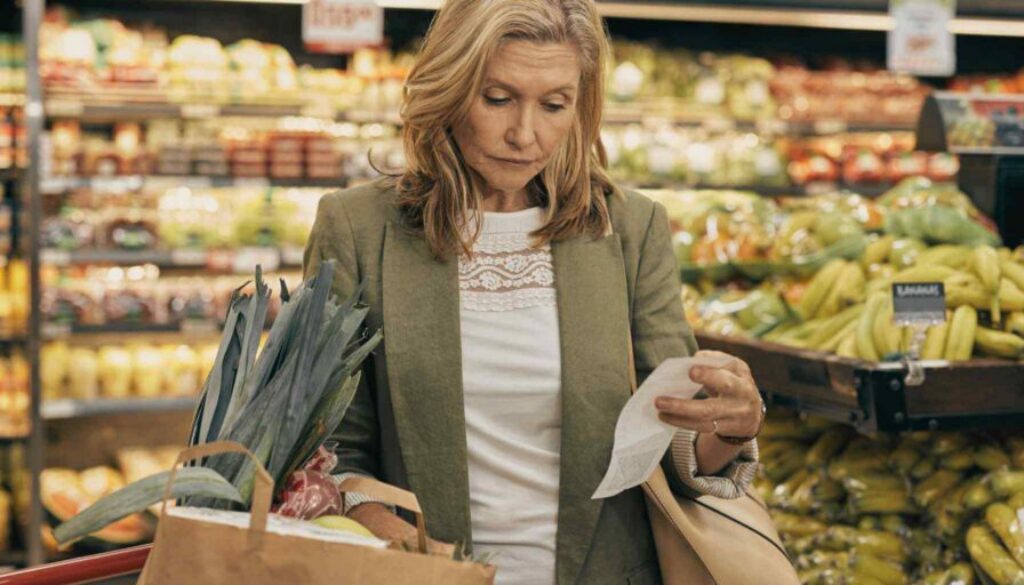
For many Americans, inflation is no longer something they read about in economic reports; it’s something they experience every time they go to the grocery store.
Inflation has come down from recent highs but food prices are still much higher than they were a few years ago. Households already struggling with housing costs, insurance premiums, transportation expenses, and everyday bills are finding it more and more difficult to ignore rising grocery costs.
The reality is straightforward: inflation may slow overall, but food prices don’t automatically fall.
Instead, consumers often face a new normal, where prices stay elevated long after the headlines are gone.
Food Inflation Continues to Pressure Household Budgets
According to the U.S. Department of Agriculture (USDA), food prices are expected to continue rising, with food-at-home costs projected to increase in the coming years.
Food inflation affects almost every household, as food is a non-discretionary expenditure. You can’t just stop buying food when prices go up, like you can with entertainment or luxury items.
This often means families have to cut back elsewhere in their budgets to afford higher grocery costs.
Why Are Food Prices Still Rising?
Several factors continue to influence food prices across the country.
- Weather and Agricultural Conditions: Droughts, floods, hurricanes, and other weather-related events can significantly impact crop production and food supply chains. When production decreases, prices often increase.
- Livestock Supply Challenges: The U.S. cattle herd has reached some of its lowest levels in decades, contributing to higher beef prices. According to the USDA, herd reductions have affected supply levels, which can place upward pressure on meat prices.
- Transportation and Energy Costs: Food must be grown, processed, transported, and delivered. When fuel, transportation, or energy costs rise, those expenses frequently work their way through the supply chain and ultimately reach consumers.
- Global Economic Uncertainty: International conflicts, trade policies, and supply chain disruptions can all contribute to food price volatility. Even events occurring thousands of miles away can affect costs on American grocery shelves.
The Impact Goes Beyond the Grocery Store
Rising food prices rarely exist in isolation.
Households are often managing multiple cost pressures simultaneously, including:
- Housing expenses
- Insurance premiums
- Utility bills
- Healthcare costs
- Transportation expenses
This broader affordability challenge helps explain why many consumers continue to feel financial pressure despite reports suggesting inflation has cooled.
The difference between inflation slowing and prices falling is important.
When inflation slows, prices may continue rising—just at a slower pace.
For consumers, the result is often the same: higher costs than they faced in previous years.
Why Consumers Are Feeling the Squeeze
Many retailers closely monitor consumer behavior because spending patterns often reveal economic trends before official reports do.
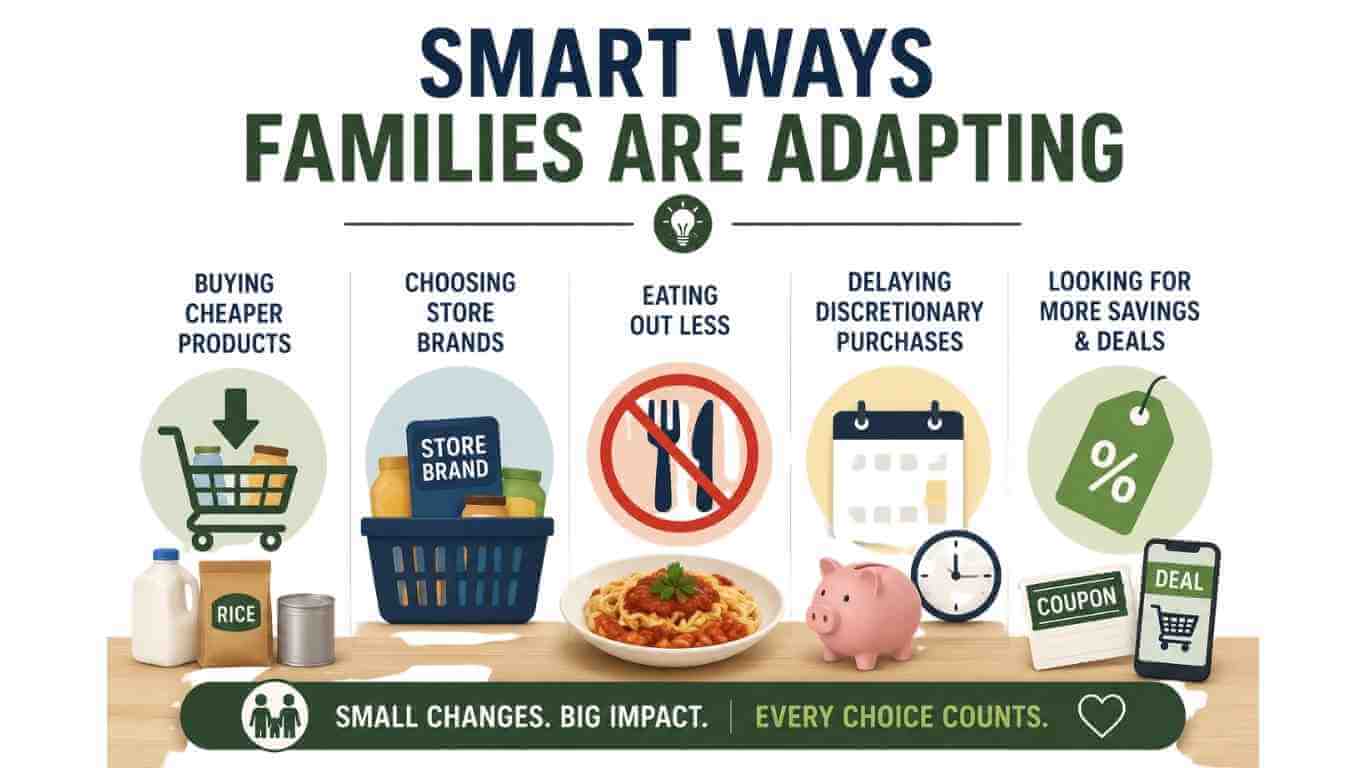
When households begin:
- Buying fewer discretionary items
- Delaying purchases
- Seeking more discounts
- Adjusting shopping habits
It can signal increasing financial pressure.
Consumers frequently adapt long before economic data fully reflects changing conditions.
This is one reason grocery prices often become a focal point in discussions about affordability and household finances.
Inflation Is More Than a Headline
It is the rising price of food that shows how inflation affects the life of ordinary people. The impact is not always dramatic overnight. Usually it happens gradually, with relatively small increases adding up over time.
This is directly related to a larger reality discussed in How Inflation Quietly Taxes Your Money and Why Inflation Quietly Destroys Your Purchasing Power.
Inflation can cause problems before it gets out of hand. Household affordability is eaten into by gradual increases in basic costs.
What Families Can Do
While food inflation may be out of consumers’ control, there are areas where they do have control.
Many households are:
- Doing more detailed budgets
- Tightening up on cash flow monitoring
- Eliminate unnecessary expenses
- More strategic purchase planning
When costs are going up, it’s often more important to know where the money is going.
Good budgeting habits and cash flow awareness remain core financial skills regardless of what the economy is doing.
The Bottom Line
Food prices continue to be one of the most visible examples of the impact of inflation on our daily lives.
A combination of farm problems, supply issues, transportation costs, and broader economic pressures is still affecting grocery prices across the country.
Even modest increases in food prices can cause major problems for household budgets already stretched by higher living costs.
The good news is consumers can adapt to awareness. In an environment of changing costs, the first step to making sound financial decisions is usually understanding how inflation impacts everyday costs.
Related Reading
- How Inflation Quietly Taxes Your Money
- Why Inflation Quietly Destroys Your Purchasing Power
- Why Holding Cash Might Be Riskier Than You Think
- How Can Budgeting and Cash Flow Management Become the Foundation of Financial Success?
- The Power of Cash Flow in Financial Planning
- Florida, the State with the Highest Inflation Rate