

What These Financial Realities Mean for Your Future
Inflation, rising debt, and the declining purchasing power of cash can feel like an abstract economic concern most of the time. But these forces shape many of the financial realities that people experience over time every day.
They influence:
- Cost of living expenses
- The worth of savings
- Cost of borrowing
- Long-term financial planning
This isn’t about trying to predict markets or reacting emotionally to headlines. It’s about understanding how these trends work together. How money behaves over time—and why it matters to be aware of it.
Inflation Changes the Value of Money Over Time
One of the most obvious lessons from this series is that money does not maintain a constant value.
Even moderate inflation slowly erodes purchasing power. That decline is meaningful over long time frames because of compounding.
As discussed in Why Inflation Quietly Destroys Your Purchasing Power, inflation does not need to spike dramatically to create financial pressure. Persistent inflation alone can slowly reshape household budgets and long-term planning.
Thus, looking only at nominal dollar amounts can be misleading. What matters more is what those dollars will actually buy in the future.
Cash May Not Be Worth What It Used to Be
Cash offers stability and liquidity. But inflation alters the meaning of “safe.”
If your money is making less than the rate of inflation, then every day you are losing real value, as discussed in Why Holding Cash Might Be Riskier Than You Think.
That’s not to say cash is not needed. Liquidity and emergency savings still matter. But long-term buying power depends on whether money is keeping up with rising costs. In inflationary times, the difference between nominal and real value is of growing importance.
Debt Trends Impact More Than Government Budgets
The national debt may not seem like something you are personally responsible for, but it does have a significant impact on the wider economic environment.
We discussed in Why America’s Growing Debt Should Concern You that higher debt levels can impact:
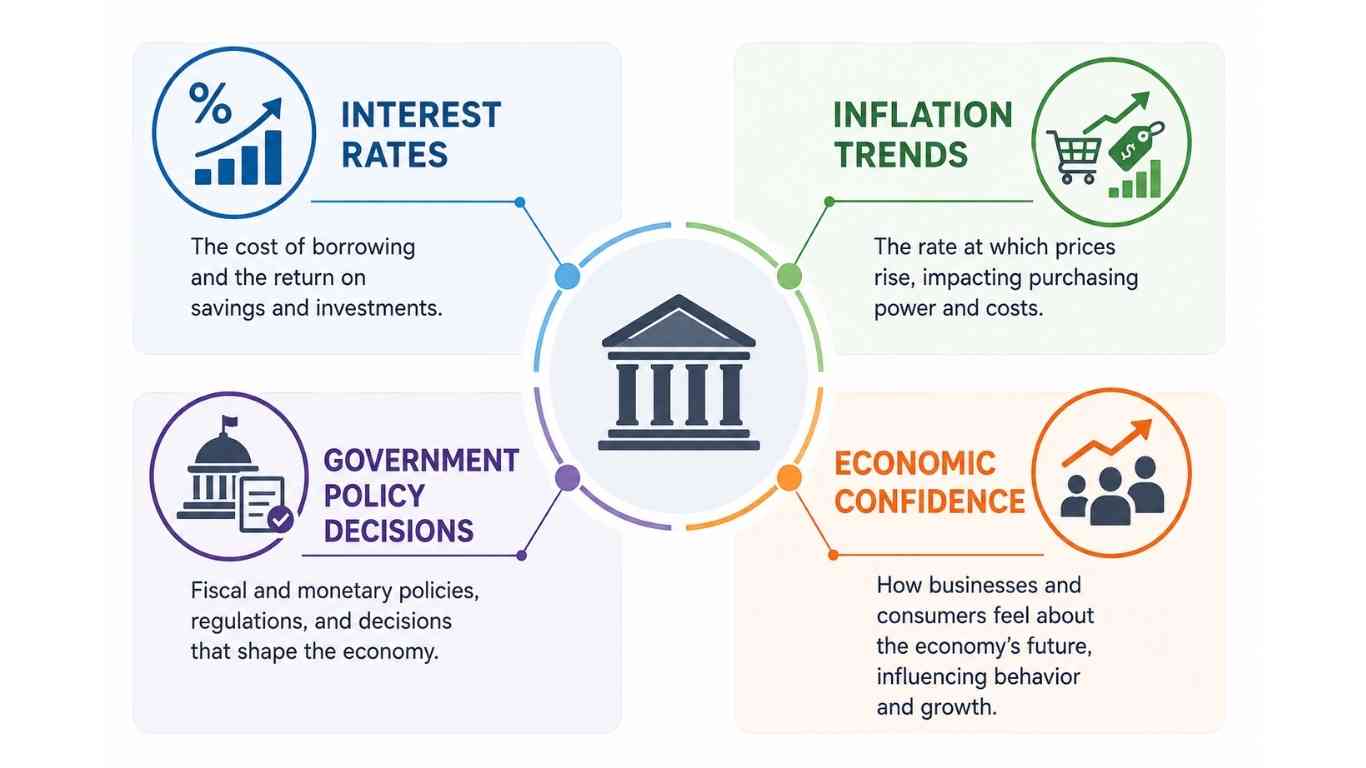
These factors eventually affect households through:
- Mortgage rates
- Pricing loans
- Insurance rates
- Everyday living costs
Economic policy decisions rarely remain isolated at a government level. They ultimately impact consumers and businesses alike.
Why Long-Term Thinking Matters More Than Ever
A common thread linking these financial realities is the importance of thinking long-term.
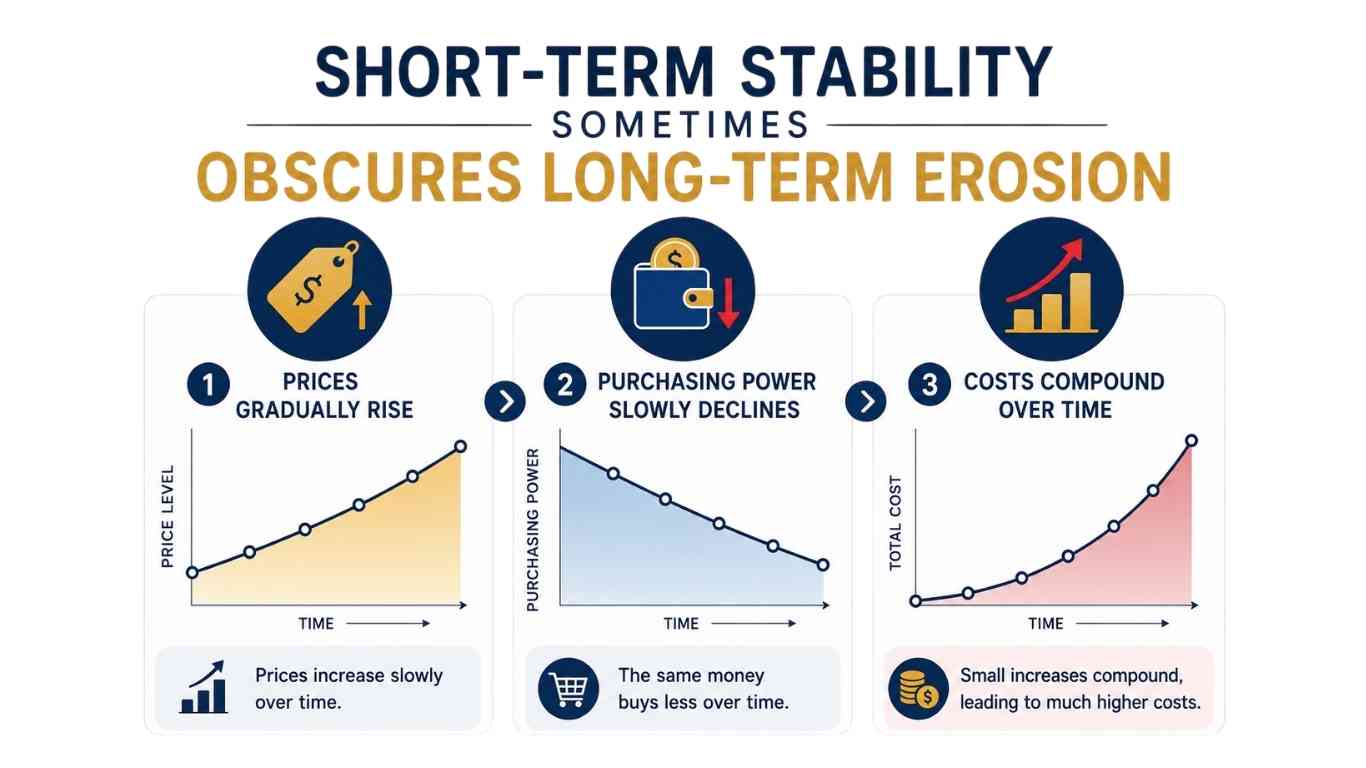
Because these changes happen gradually, they are easy to underestimate.
This is why awareness matters more than reacting to short-term headlines. Understanding how inflation, debt, and purchasing power interact helps create a more realistic perspective on financial planning.
The Bigger Lesson: Stay Financially Aware
The point of understanding these topics is not to be afraid, but to be clear. Today’s money works in a system that is designed by:
- Inflation goals
- Growth of debt
- Monetary policy
- Dynamics of purchasing power
Knowing these realities helps explain why:
- Saving may not be enough on its own
- Cost-of-living pressures persist
- Long-term perspective is required for financial planning
This bigger picture helps to put everyday financial decisions in context.
Why These Conversations Are Becoming More Common
In recent years, inflation, debt, and interest rates have become more visible in public discussion because people are feeling the effects directly.
Rising costs in:
- Housing
- Insurance
- Groceries
- Borrowing
have made economic trends harder to ignore. This aligns closely with themes explored in:
The financial system may seem complex, but many of its long-term effects show up in simple, everyday experiences.
The Bottom Line
Inflation reduces purchasing power. Cash has limitations in inflationary environments. Rising debt shapes broader economic conditions. Together, these realities influence how money works over time. Understanding them does not guarantee certainty—but it provides something equally important: perspective.
And in a financial environment shaped by long-term economic forces, perspective matters more than ever.